


 Physician & ExpertiseOp. Dr. Cennet Ay TokObstetrics & Gynecology Specialist
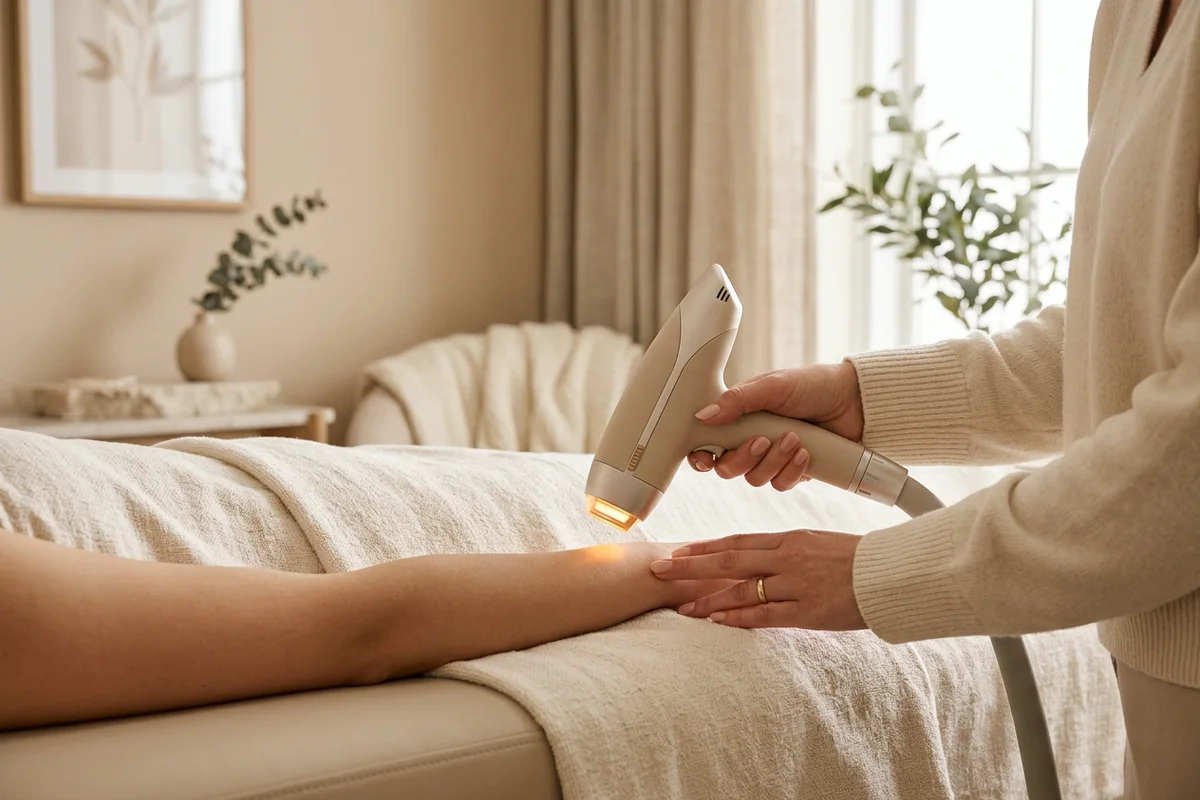 Genital Aesthetics & Laser · Ordu
What does “rejuvenation” describe?
The term may refer to energy applied inside the vagina or to external genital tissue. The tissue, purpose and device vary, so these procedures cannot all be treated as equivalent. A change in tissue appearance does not necessarily mean improved sexual function or quality of life.
Changes after childbirth or with ageing are not always a medical disorder. Identifying the symptom that troubles you is more useful than a general goal of “rejuvenation”. The fractional CO₂ laser page explains why a device technique and its proposed use are different questions.
How much is known about vaginal laser effectiveness?
Evidence for long-term benefit and safety in menopause-related vaginal dryness and discomfort remains insufficient. NICE recommends that vaginal laser for these symptoms should only be offered within randomised controlled trials. Positive observations in small or short studies do not establish reliable results for everyone.
“Non-surgical” does not mean risk-free or proven effective. Permanent tightening, a cure for urinary leakage or improved orgasm should not be promised. Any reported success rate needs a defined condition, a clear outcome and adequate follow-up.
Which alternatives depend on the symptom?
Vaginal moisturisers and lubricants used during sex serve different purposes in dryness care. Local hormonal treatment can also be considered for suitable patients, with choices shaped by medical history. These options are covered in vaginal dryness treatment.
Urinary leakage requires identification of its type. Pelvic floor rehabilitation, bladder training, medicines or selected surgical options may be appropriate. Reviewing urinary incontinence treatments helps avoid treating every symptom as an indication for one laser procedure.
Examination and risk assessment
Bleeding, discharge, itching, pain or a wound that does not heal needs a diagnostic assessment first. The consultation covers childbirth, previous surgery, menopausal status, medicines and earlier procedures. Any examination is performed with your consent and limited to what is necessary.
Laser can cause burns, scarring, infection, altered sensitivity and pain during sex. If a procedure is proposed, uncertain benefits, aftercare and follow-up should be explained clearly. Increasing pain, fever or offensive discharge afterwards requires medical attention.
Preparing for a consultation in Fatsa
When arranging a visit to Fatsa from elsewhere in Ordu, note when the problem started and how it affects daily life. Bring the names of products or procedures already tried. The consultation should help you understand options and follow-up needs without an obligation to undergo a procedure.
Conclusion
Procedures described as laser genital rejuvenation do not share one established evidence base. A sound approach identifies the symptom, considers established treatments and weighs uncertain benefits alongside possible harm.
Clinic Address
The consultation practice is in Fatsa, Ordu. Use the contact details for appointment, location and follow-up information.
Frequently Asked Questions
Is laser rejuvenation the same as vaginoplasty?
No. Laser is an energy-based procedure; vaginoplasty is surgery. Their aims, risks and assessment criteria differ.
Can improved sexual pleasure be guaranteed?
No. Sexual function depends on many physical and psychosocial factors. Laser cannot be said to guarantee increased pleasure or orgasm.
Is laser the first option after menopause?
No. NICE does not recommend it as routine care for menopausal genitourinary symptoms. More established options are considered according to individual history.
Should I purchase sessions before assessment?
The cause of the symptom and suitability of the procedure should be established first. A fixed package cannot replace assessment and informed consent.
About this article
Consultation and individual assessment
Op. Dr. Cennet Ay TokObstetrics & Gynecology Specialist · Fatsa, Ordu
Editorial details
- Content preparation
- Editorial information prepared using the medical sources listed below.
- Medical review
- The content update date does not indicate that a physician has medically reviewed this article.
Sources
Medical references used to prepare this article. Links open the original publications in a new tab.
This article provides general information and does not replace a medical consultation. Diagnosis, treatment suitability and follow-up are determined individually after a clinical assessment.