


 Physician & ExpertiseOp. Dr. Cennet Ay TokObstetrics & Gynecology Specialist
 Cancer Screenings & Biopsies · Ordu
Why may biopsy or conization be recommended?
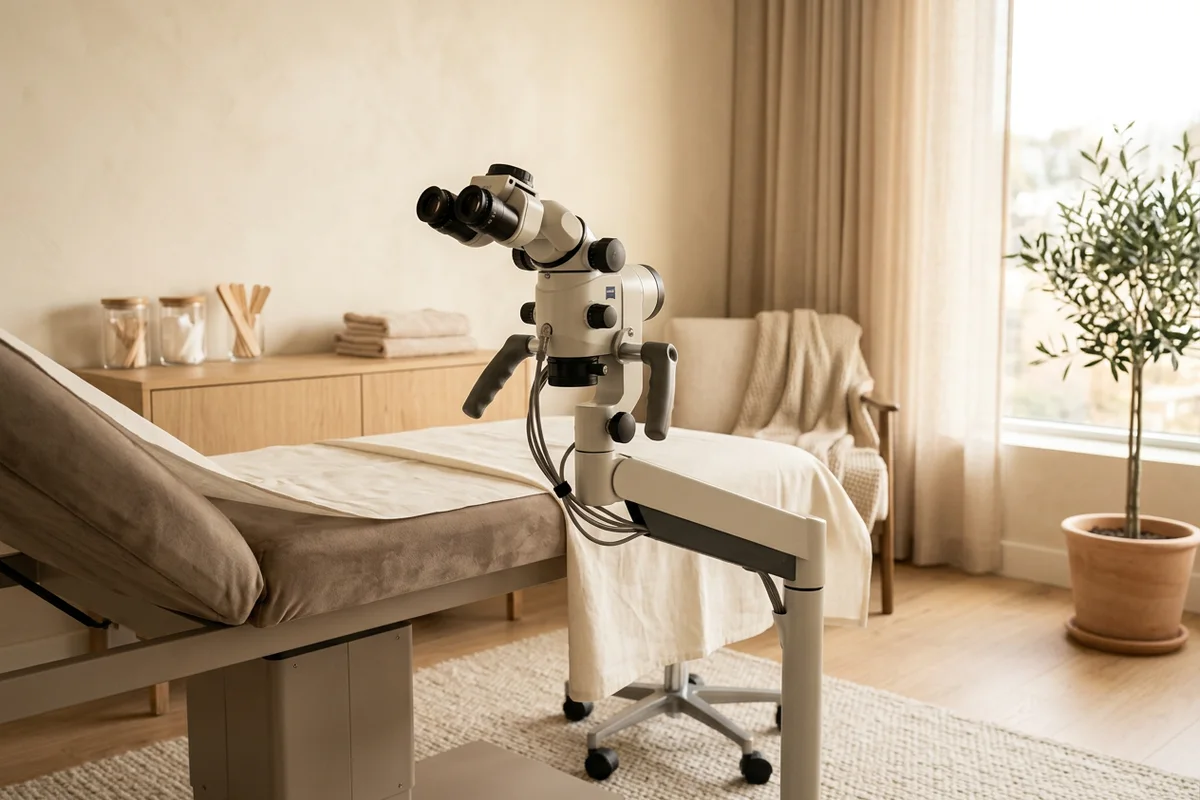
Some HPV and cell-test findings require a closer examination of the cervix. Colposcopy views the cervix under magnification. A sample from an appropriate area can help establish the nature of the change.
Conization may provide a larger diagnostic sample or remove suitable precancerous changes. Not every positive HPV result requires biopsy, and not every biopsy requires conization. Cervical screening results are interpreted with history and examination.
A recommendation for the procedure does not mean cancer has been confirmed. The aim is to clarify the diagnosis and, when appropriate, treat tissue at risk of progression. Suspected or confirmed cancer requires relevant specialist assessment.
The difference between a small biopsy, LEEP and conization
A small biopsy removes a limited tissue fragment from a selected area, mainly to support diagnosis. Excisional procedures remove a wider area containing changes. LEEP or LLETZ uses an electrical loop; a cone-shaped specimen can be removed using different techniques.
Suitability depends on lesion location and extent, assessment of the cervical canal and earlier results. These terms should not be treated as exact synonyms. The proposed procedure, amount of tissue and anaesthetic needs should be explained beforehand.
A Pap smear provides cells, while biopsy assesses tissue structure. The biopsy report therefore adds different information. Procedure choice should not follow one abbreviation alone.
Consent and preparation
Mention pregnancy or possible pregnancy, medicines, allergies and bleeding disorders. Do not stop blood-thinning treatment without a clinician’s plan. Earlier cervical procedure reports and future pregnancy wishes also matter.
Pain control and anaesthesia depend on the extent of the procedure. Preparation for a small biopsy may differ from a larger excision. Clarify fasting, transport and accompaniment needs individually before attending.
Do not cancel follow-up independently if an abnormal screening result occurs during pregnancy. A specialist assesses the need for colposcopy or sampling according to findings. Pregnancy does not automatically mean every investigation is delayed or every procedure is required.
Risks and recovery
Pain, cramping, bleeding and infection may occur. Larger excisions have different healing and follow-up needs from a small biopsy. Less common outcomes such as cervical narrowing should be discussed according to the procedure.
Bleeding or discharge may continue for a time; aftercare should distinguish expected symptoms from warning signs. Heavy bleeding, fever, offensive discharge or persistent severe pain needs assessment. Do not use another person’s experience to decide that a symptom is normal.
Follow instructions on sex, tampons, exercise and swimming. One fixed number of days does not apply to every method. Report concerns during or after the procedure.
Pathology results and excision margins
Pathology describes the grade of cell change and any other findings. Terms such as CIN do not mean cancer; grade and personal circumstances influence follow-up or treatment. An excision report may also describe whether changes extend to the tissue edges.
Margin status does not determine the next decision alone. It is interpreted with HPV status, tissue removed, age, pregnancy wishes and earlier findings. Repeat testing, closer surveillance or another procedure may be considered.
Removing tissue does not guarantee HPV clearance or that changes will never recur. HPV assessment and cervical follow-up continue. If results do not arrive, contact the service rather than assuming they are normal.
Considering a future pregnancy
Some procedures removing cervical tissue can increase the risk of preterm birth in a future pregnancy. Risk may relate to the amount removed and repeated treatment. A small diagnostic biopsy and a larger excision should not be assessed as equivalent.
Discuss pregnancy plans before treatment so that necessary care and preservation of healthy tissue can be considered together. If pregnant later, tell the maternity team the type of procedure and provide the report. Additional follow-up may be based on cervical length and other findings.
Procedure and result follow-up in Ordu
Bring earlier HPV, smear and biopsy reports to the consultation in Fatsa. The appropriate setting, anaesthesia and reviews for the proposed procedure should be explained separately. Travel, accompaniment and pathology review can be planned when coming from another district of Ordu.
The consultation address should not be assumed to be the surgical venue. Clarify the timing of the next step and how it will be communicated. Follow-up covers long-term management of cell changes as well as wound healing.
Conclusion
Cervical biopsy and conization differ in purpose and extent. Considering procedure choice, pathology, pregnancy plans and long-term follow-up together helps avoid unnecessary intervention and supports a clear treatment plan.
Clinic Address
The consultation practice is in Fatsa, Ordu. Use the contact details for appointment, location and follow-up information.
Frequently Asked Questions
Does everyone with HPV need conization?
No. HPV type, cell findings, colposcopy and previous history determine care; other follow-up options may be appropriate.
Does CIN on a biopsy mean cancer?
CIN is not the same as cancer. It describes a grade of cell change, with follow-up or treatment based on individual findings.
Can pregnancy occur after conization?
Many people can become pregnant afterwards. Individual discussion is needed because tissue removed and earlier procedures may affect pregnancy risks.
Does follow-up end after the procedure?
No. Follow-up continues according to pathology and HPV status. Tissue removal does not guarantee no future changes.
About this article
Consultation and individual assessment
Op. Dr. Cennet Ay TokObstetrics & Gynecology Specialist · Fatsa, Ordu
Editorial details
- Content preparation
- Editorial information prepared using the medical sources listed below.
- Medical review
- The content update date does not indicate that a physician has medically reviewed this article.
Sources
Medical references used to prepare this article. Links open the original publications in a new tab.
This article provides general information and does not replace a medical consultation. Diagnosis, treatment suitability and follow-up are determined individually after a clinical assessment.