


 Physician & ExpertiseOp. Dr. Cennet Ay TokObstetrics & Gynecology Specialist
 Gynecological Surgery · Ordu
When might fibroid surgery be considered?
Fibroids develop from uterine muscle and are usually benign. They may be associated with heavy bleeding, anemia, pressure, pain or certain fertility problems. A fibroid found incidentally without symptoms may be monitored; its presence on a scan is not enough to justify an operation.
Discuss the effect of bleeding on daily life, the timing of pain and previous treatment responses. Assessment of irregular menstrual bleeding may identify other contributing causes. It should be clear which symptom surgery is intended to improve and what happens if another condition also contributes.
Why does fibroid location matter for laparoscopy?
The position, number and size of fibroids influence how they can be removed. Ultrasound usually provides the initial assessment, with additional imaging when more detail is needed. Previous operations and possible adhesions also affect planning.
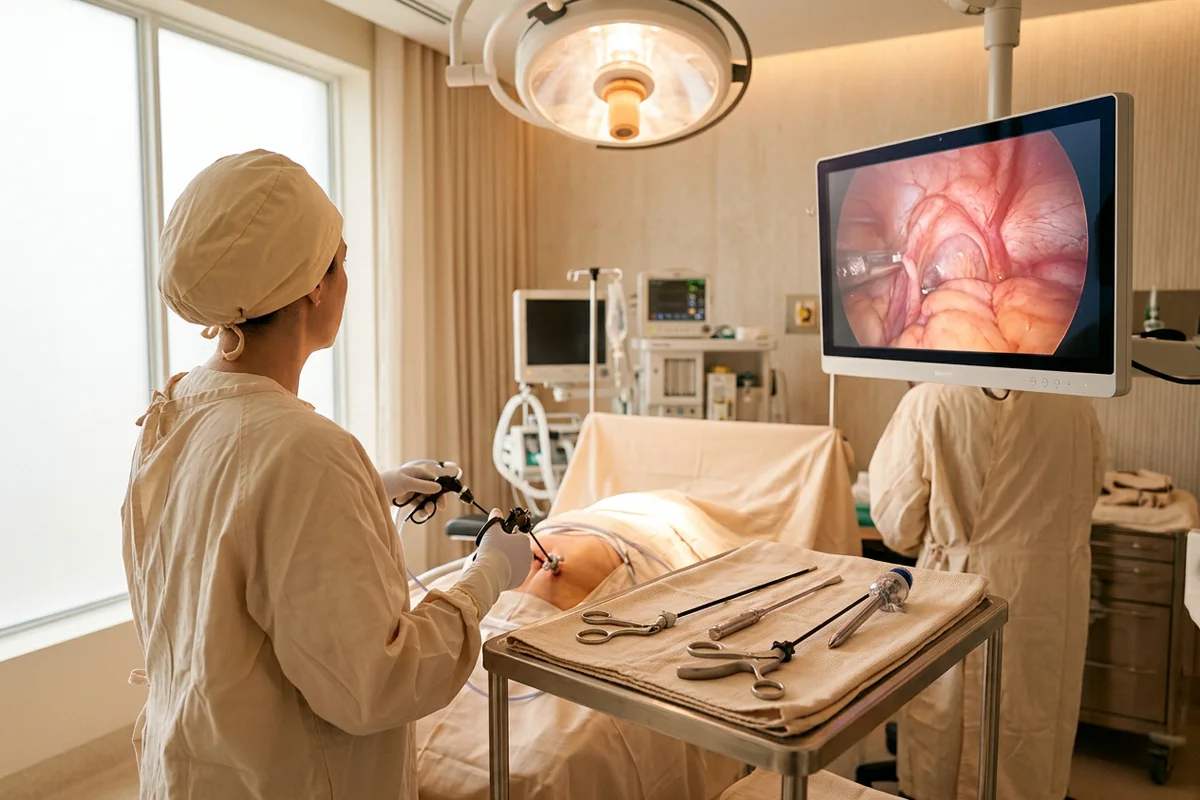
Some fibroids projecting into the uterine cavity can be treated through the cervix by hysteroscopy. Laparoscopic myomectomy works through abdominal incisions and may require repair of the uterine muscle. Numerous fibroids or an unsuitable location may require open surgery; laparoscopy should not be presented as the right option for every situation.
Uterus preservation and alternatives to surgery
Myomectomy aims to remove fibroids while preserving the uterus. Retaining the uterus does not guarantee conception or an uncomplicated pregnancy. Mention future pregnancy wishes even if you have not yet made a definite decision.
Medicines may help control bleeding and pain, and other procedures may be considered for suitable patients. Hysterectomy is a different operation that removes the uterus and ends the ability to carry a pregnancy. The benefits, limitations and reproductive consequences of these choices are not the same.
Tissue removal and surgical risks
The operation is planned under general anesthesia, with repair of the uterine tissue after fibroid removal. Removing a large specimen through a small incision may involve breaking it into smaller pieces. The intended method and alternatives should be explained before consent.
Tissue fragmentation can spread an unexpected malignancy, and preoperative investigations cannot reduce that possibility to zero. Age, menopausal status and suspicious findings influence suitability. No particular device or technique should be assumed to be standard for everyone.
Risks include bleeding, infection, clots, injury to nearby organs and adhesions. Conversion to open surgery, a transfusion or additional surgery may be needed. Rare but important possibilities, including removal of the uterus for uncontrollable serious bleeding, also belong in the consent discussion.
Planning investigations and recovery from Fatsa, Ordu
Bring previous ultrasound and any MRI images to assessment in Fatsa so that changes over time can be reviewed. Anemia related to bleeding may need attention before surgery. Report medicines and supplements, and do not stop them without individual instructions.
For travel from another district of Ordu, plan consultation, hospital admission and follow-up separately. Surgery should not be assumed to take place at the consulting address. Transport home, a companion and help with physically demanding household tasks can be discussed as part of preparation.
Recovery, new fibroids and future pregnancy
Return to work, exercise and sexual activity depends on the extent of uterine repair and recovery. Obtain individual advice about when to try for pregnancy and whether the operation affects future delivery planning. New fibroids may develop, so surgery does not ensure lifelong freedom from fibroids.
Confirm pathology review and follow-up before discharge. Increasing abdominal pain, fever, heavy bleeding or difficulty passing urine requires assessment. Breathlessness, chest pain or marked swelling in one leg warrants urgent medical attention.
Conclusion
Laparoscopic myomectomy is one uterus-preserving option for selected fibroids. Assessment in Ordu considers symptoms, pregnancy wishes, tissue removal and surgical risks alongside imaging. A suitable plan begins with the purpose of treatment rather than the name of a technique.
Clinic Address
The consultation practice is in Fatsa, Ordu. Use the contact details for appointment, location and follow-up information.
Frequently asked questions
Is the uterus removed during myomectomy?
Planned myomectomy preserves the uterus. Exceptional circumstances such as uncontrollable bleeding may require additional surgery, which should be discussed beforehand.
Can every fibroid be removed laparoscopically?
No. Location, number, size and previous surgery affect the approach. Hysteroscopic or open treatment may be more appropriate.
Can fibroids return after surgery?
A removed fibroid does not regrow, but new fibroids can develop in the uterus. Follow-up depends on symptoms and individual findings.
Does myomectomy guarantee pregnancy?
No. Fertility depends on several factors. The expected benefit and implications of uterine repair need individual discussion.
Does anemia matter before surgery?
Yes. Bleeding history and blood results are reviewed, and anemia may need treatment. Obtain advice based on assessment rather than starting treatment yourself.
About this article
Consultation and individual assessment
Op. Dr. Cennet Ay TokObstetrics & Gynecology Specialist · Fatsa, Ordu
Editorial details
- Content preparation
- Editorial information prepared using the medical sources listed below.
- Medical review
- The content update date does not indicate that a physician has medically reviewed this article.
Sources
Medical references used to prepare this article. Links open the original publications in a new tab.
- NHS — Fibroidsnhs.uk
- ACOG — Uterine fibroidsacog.org
- UCLH — Laparoscopic myomectomyuclh.nhs.uk
- RCOG — Morcellation for myomectomy or hysterectomyrcog.org.uk
- NICE NG88 — Heavy menstrual bleedingnice.org.uk
This article provides general information and does not replace a medical consultation. Diagnosis, treatment suitability and follow-up are determined individually after a clinical assessment.