


 Physician & ExpertiseOp. Dr. Cennet Ay TokObstetrics & Gynecology Specialist
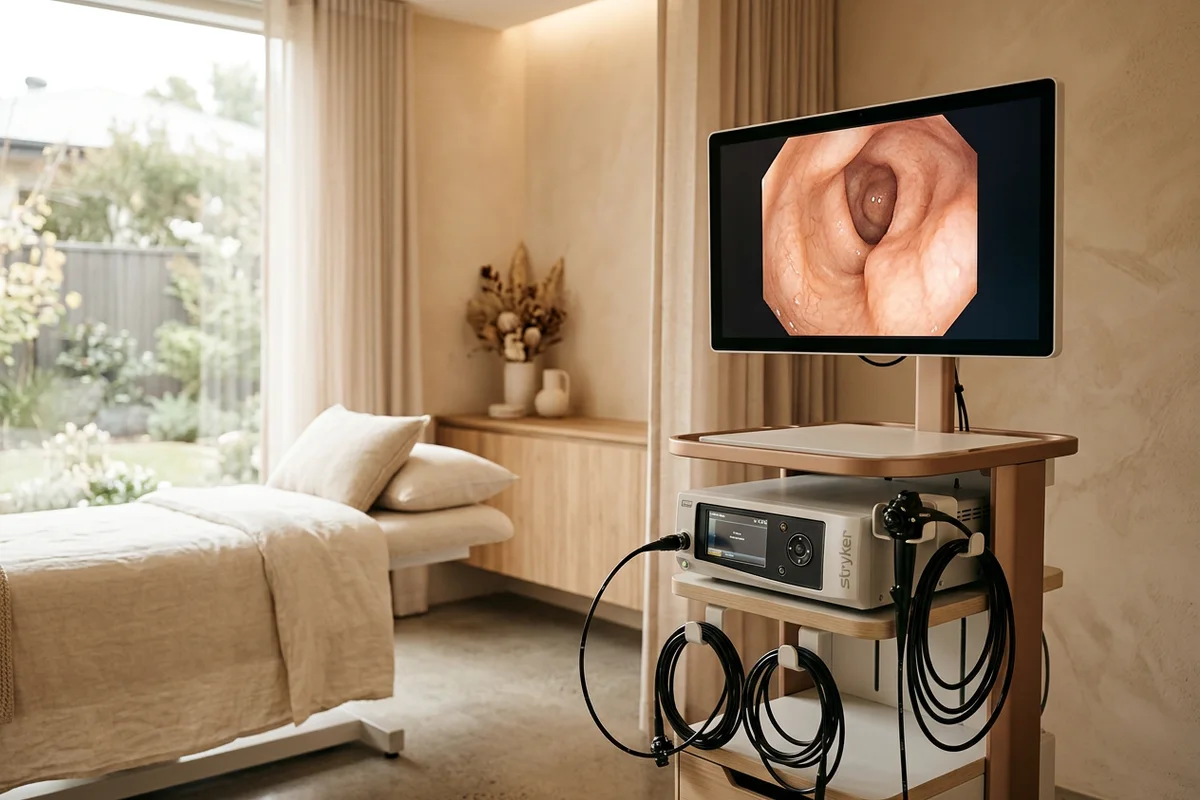 Gynecological Surgery · Ordu
When might the uterine cavity need closer examination?
Bleeding between periods, heavy menstrual bleeding or bleeding after menopause may require closer assessment of the uterine lining. A suspected polyp or a fibroid extending into the cavity can also lead to a recommendation for hysteroscopy. A symptom alone does not establish that the procedure is necessary; examination and previous tests matter.
For irregular menstrual bleeding, pregnancy possibility, age, medicines and associated findings are considered. Hysteroscopy may also be relevant in selected fertility investigations or when an intrauterine device is difficult to remove. The assessment should establish which question the procedure is intended to answer.
Diagnostic and operative hysteroscopy
Diagnostic hysteroscopy examines the cavity and may include a small tissue sample. An endometrial biopsy allows microscopic examination of that tissue. The visual impression and pathology result provide different information, so some answers require a laboratory report.
Operative hysteroscopy can treat selected polyps or fibroids that project into the cavity. Not every finding can be treated during the first procedure. Its size and position, anesthesia needs and the consent already given influence what is possible.
A suspected difference in uterine shape requires interpretation alongside other imaging. For example, assessment of a T-shaped uterus does not mean every variation requires surgery. Hysteroscopy does not comprehensively examine the ovaries, fallopian tubes or the abdominal cavity.
Pain relief and the right to stop
Hysteroscopy can cause mild cramping for some people and substantial pain for others. It should not be described as painless for everyone. Previous painful examinations, anxiety, trauma or support needs can be discussed without having to disclose details you do not wish to share.
Outpatient treatment, local anesthesia, sedation or general anesthesia are considered according to the person and the intended procedure. Ask the team about pain medicine and when to take it. You can communicate discomfort, request a pause or ask for the procedure to stop.
Pregnancy possibility and preparation
Hysteroscopy is not performed during pregnancy, so any possibility of pregnancy must be reported beforehand. The last menstrual period, contraception and a pregnancy test when needed form part of preparation. If bleeding starts around the appointment, contact the team rather than cancelling automatically; the plan depends on visibility and the purpose of the procedure.
Provide your medication and allergy information and report symptoms that might suggest infection. Fasting instructions depend on the anesthesia plan, so preparation is not identical for everyone. If sedation or general anesthesia is planned, clarify escort arrangements and driving restrictions beforehand.
Arranging hysteroscopy assessment in Fatsa, Ordu
Bring previous ultrasound reports and any cervical screening or biopsy results to the consultation in Fatsa. A record of bleeding dates and duration helps clarify the question being investigated. When travelling from another district of Ordu, allow for consultation, procedure and pathology discussion potentially taking place on different dates.
The healthcare facility and anesthesia arrangements are established after assessment; the consulting address should not be assumed to be the procedure venue. Plans for travelling home depend on how you feel and the discharge instructions. Clarify how results will be communicated and when earlier review is needed.
Bleeding, pathology and follow-up after the procedure
Mild cramping and spotting can occur, with duration depending on what was done. Follow the instructions about sex, tampon use and returning to normal activities. Increasing pain, heavy bleeding, fever or offensive discharge should be assessed promptly.
Possible complications include infection, injury to the uterine wall and, rarely, a need for further treatment. If tissue was sampled, clarify when and how the pathology result will be discussed. A normal visual examination does not exclude every cause of persistent symptoms, so ongoing concerns may need further review.
Conclusion
Hysteroscopy can be useful when it addresses a defined diagnostic or treatment question. Planning assessment in Ordu should clarify the purpose, pain relief, possible biopsy and follow-up. Individual findings and informed consent guide whether and how to proceed.
Clinic Address
The consultation practice is in Fatsa, Ordu. Use the contact details for appointment, location and follow-up information.
Frequently asked questions
Is hysteroscopy the same as laparoscopy?
No. Hysteroscopy enters the uterine cavity through the cervix. Laparoscopy uses small abdominal incisions to examine the abdomen and pelvis.
Does hysteroscopy always require anesthesia?
The approach varies. Pain relief, preferences and the planned treatment are considered when discussing outpatient or anesthetized options.
Can a polyp be removed during the same visit?
Sometimes, but not automatically. Size, location, facilities and consent determine whether treatment can be combined or needs another appointment.
Will I receive all results immediately?
Visual findings may be discussed after the procedure. If a biopsy was taken, tissue assessment requires the pathology report.
Must I continue if the procedure is painful?
No. You may report pain and ask for a pause or for the procedure to stop. Alternative pain relief or arrangements can then be discussed.
About this article
Consultation and individual assessment
Op. Dr. Cennet Ay TokObstetrics & Gynecology Specialist · Fatsa, Ordu
Editorial details
- Content preparation
- Editorial information prepared using the medical sources listed below.
- Medical review
- The content update date does not indicate that a physician has medically reviewed this article.
Sources
Medical references used to prepare this article. Links open the original publications in a new tab.
- NHS — Hysteroscopynhs.uk
- RCOG — Outpatient hysteroscopyrcog.org.uk
- NHS — Laparoscopynhs.uk
This article provides general information and does not replace a medical consultation. Diagnosis, treatment suitability and follow-up are determined individually after a clinical assessment.