


 Physician & ExpertiseOp. Dr. Cennet Ay TokObstetrics & Gynecology Specialist
 Gynecological Surgery · Ordu
Why might a fallopian tube be removed?
An ectopic pregnancy in the tube, significant tubal damage or a fluid-filled tube may lead to consideration of salpingectomy. Removal may also be discussed for risk reduction during another operation. Each reason has its own expected benefit and alternatives.
For an ectopic pregnancy, options depend on symptoms, general condition and investigation results. Monitoring or medicine may be appropriate in selected cases, while suspected rupture or internal bleeding may require emergency surgery. The decision is based on clinical assessment rather than choosing a technique online.
A fluid-filled tube may need attention before some fertility treatments. Removal or closing its connection to the uterus can be compared in a specialist discussion. Treating the tube does not by itself guarantee pregnancy.
How do removal of one tube and both tubes differ?
After removal of one tube, the condition of the remaining tube and ovaries matters for future pregnancy. Losing one tube does not mean everyone loses the possibility of natural conception. Age and other fertility factors also need consideration.
Complete removal of both tubes prevents the usual meeting of egg and sperm and has permanent consequences. A future wish for pregnancy requires specialist discussion of assisted reproduction. Suitability and outcomes vary, making this an important conversation before surgery.
When comparing contraceptive methods, blocking a tube and removing it completely should not be described as identical. A removed tube cannot later be reopened. Permanence, alternatives and uncertainty about future wishes belong in the consent discussion.
Does removal of the tubes cause menopause?
The fallopian tubes and ovaries are different organs. Ovaries are the main source of reproductive hormones, so removal of the tubes alone is not the same as surgical menopause caused by removing both ovaries. Ask explicitly whether the ovaries are intended to remain.
If bilateral oophorectomy is also planned, hormonal consequences and long-term care need a separate discussion. Removal of the uterus is another distinct decision. Understanding the names helps clarify which consequences relate to which organ.
Understanding salpingectomy for risk reduction
Removing the tubes during another operation may be discussed with suitable patients to reduce the risk of certain ovarian cancers. It does not eliminate all cancer risk. The benefit and possible additional risks should be considered within the existing surgical plan.
Recommendations for people with a high inherited cancer risk require separate assessment. Removing only the tubes cannot automatically be treated as equivalent to removing both tubes and ovaries. Family history, genetic findings and specialist advice guide this decision rather than a general recommendation for everyone.
Surgical approach, preparation and risks
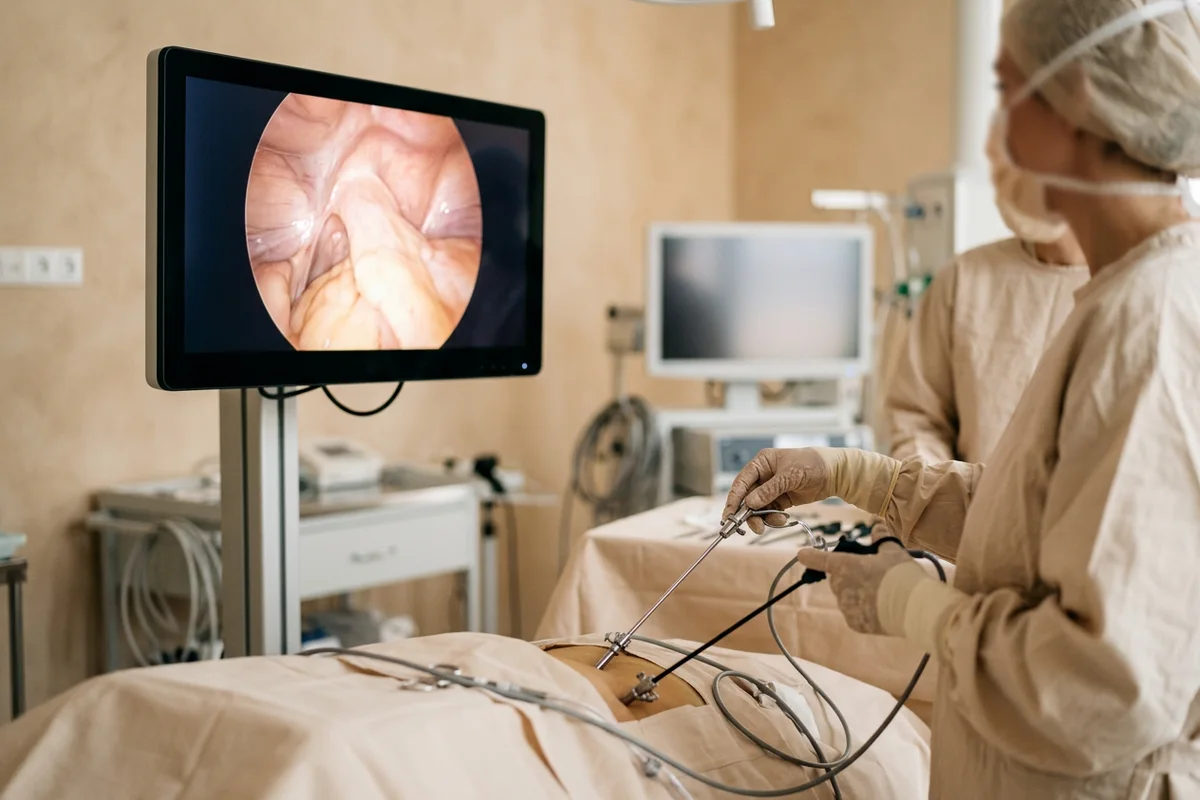
Salpingectomy may be performed laparoscopically or through an open incision, with urgency and findings influencing the approach. General preparation principles for gynecological surgery are individualised for this procedure. Report medicines, allergies and previous operations and obtain fasting and medication instructions from the team.
Risks include bleeding, infection, clots, injury to nearby organs and anesthesia-related problems. Additional treatment or conversion to open surgery may be necessary. If a tube-preserving procedure is considered, follow-up for retained tissue and future ectopic pregnancy risk also matters.
Assessment in Fatsa and follow-up in Ordu
Bring ultrasound, hormone tests, any tubal imaging and previous operation reports to a planned consultation. Assessment in Fatsa considers the reason for removing the tube together with pregnancy goals. The hospital and follow-up arrangements are clarified individually.
Travel within Ordu should account for repeated blood tests when needed. With a possible ectopic pregnancy, severe one-sided pain, shoulder-tip pain, fainting or deterioration requires urgent assessment. Do not wait for a routine consultation or travel to a particular clinic in that situation.
Follow-up addresses recovery, pathology and the need for early assessment in a future pregnancy. Emotional support also matters after pregnancy loss. Physical recovery and the impact of the loss may follow different timelines.
Conclusion
A salpingectomy decision requires understanding the reason and whether one or both tubes are involved. Assessment in Ordu should consider fertility, organ preservation, surgical risks and follow-up together. Individual findings and informed consent guide the plan.
Clinic Address
The consultation practice is in Fatsa, Ordu. Use the contact details for appointment, location and follow-up information.
Frequently asked questions
Can natural pregnancy occur with one tube?
It may be possible if the remaining tube and ovaries function adequately. Age and other fertility factors require individual assessment.
Are the ovaries removed whenever the tubes are removed?
Not necessarily. These are separate procedures, with a reason needed for each organ involved.
Does every ectopic pregnancy require tube removal?
No. Monitoring, medicine or different surgery may be options depending on findings. Emergency bleeding changes the priorities.
Can complete removal of both tubes be reversed?
Removed tubes cannot be reopened. Permanence and future pregnancy wishes should be discussed before surgery.
Does salpingectomy eliminate ovarian cancer risk?
No. It may reduce risk in suitable circumstances but does not eliminate it. Inherited risk requires separate assessment.
About this article
Consultation and individual assessment
Op. Dr. Cennet Ay TokObstetrics & Gynecology Specialist · Fatsa, Ordu
Editorial details
- Content preparation
- Editorial information prepared using the medical sources listed below.
- Medical review
- The content update date does not indicate that a physician has medically reviewed this article.
Sources
Medical references used to prepare this article. Links open the original publications in a new tab.
This article provides general information and does not replace a medical consultation. Diagnosis, treatment suitability and follow-up are determined individually after a clinical assessment.